What is SBRT?
Stereotactic Body Radiation Therapy (SBRT) is a precise type of radiation treatment used to treat some cancers without surgery. It uses strong, focused beams of radiation to target a tumour while limiting radiation to nearby healthy tissue.
SBRT is often done in just 1–5 treatment sessions. This means the overall treatment time is often shorter than with standard radiation therapy.
How does SBRT work?
SBRT uses advanced imaging to find the exact location of the tumour before treatment. During treatment, the SBRT machine sends radiation to the tumour from many different angles. All the beams are aimed at the same spot.
How SBRT delivers radiation to a tumour
SBRT works by targeting a tumour with a narrow beam of radiation from many angles. The area where all the radiation beams overlap is shaped to match your tumour's size.
The area where the radiation beams overlap is shaped to match the size and shape of your tumour. Targeting the tumour from many angles allows a higher dose of radiation to be focused on the tumour. This helps shorten the number of treatment sessions and limit the amount of radiation that reaches nearby healthy tissue.
How does radiation treat cancer cells?
How radiation works
Slide 1 of 3
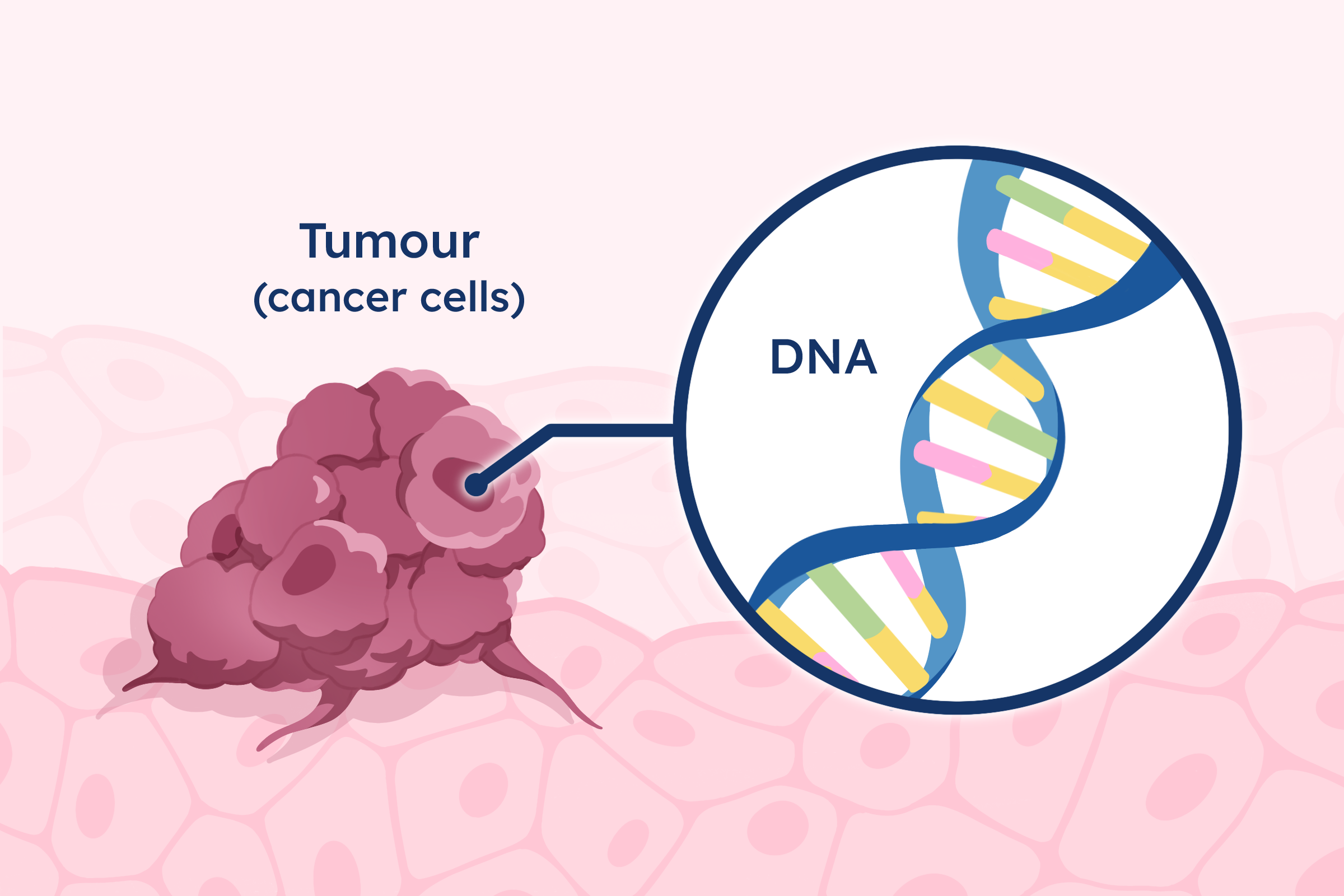
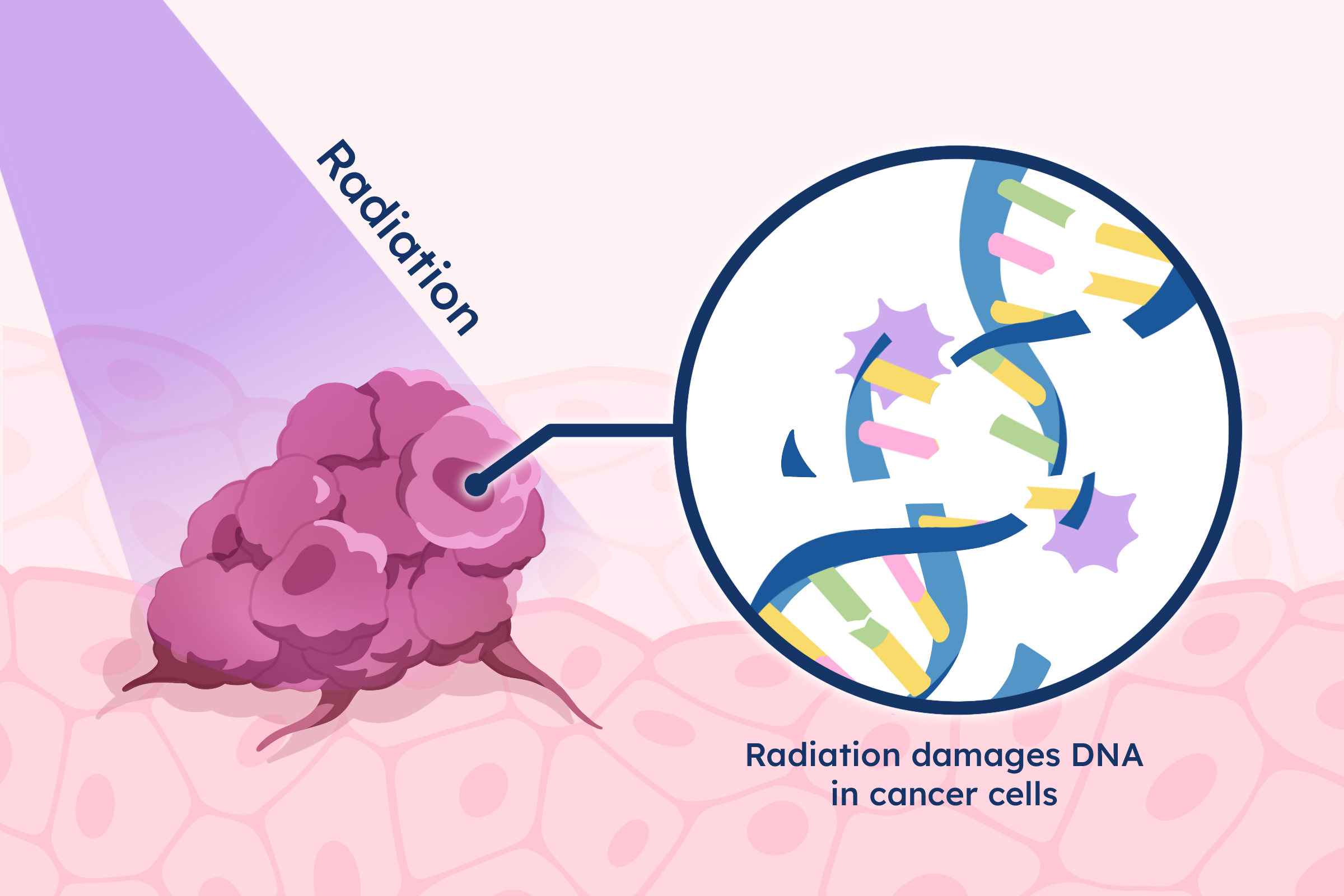
Radiation works by damaging the DNA inside cancer cells. DNA works like a set of instructions that tells cells how to grow and divide.
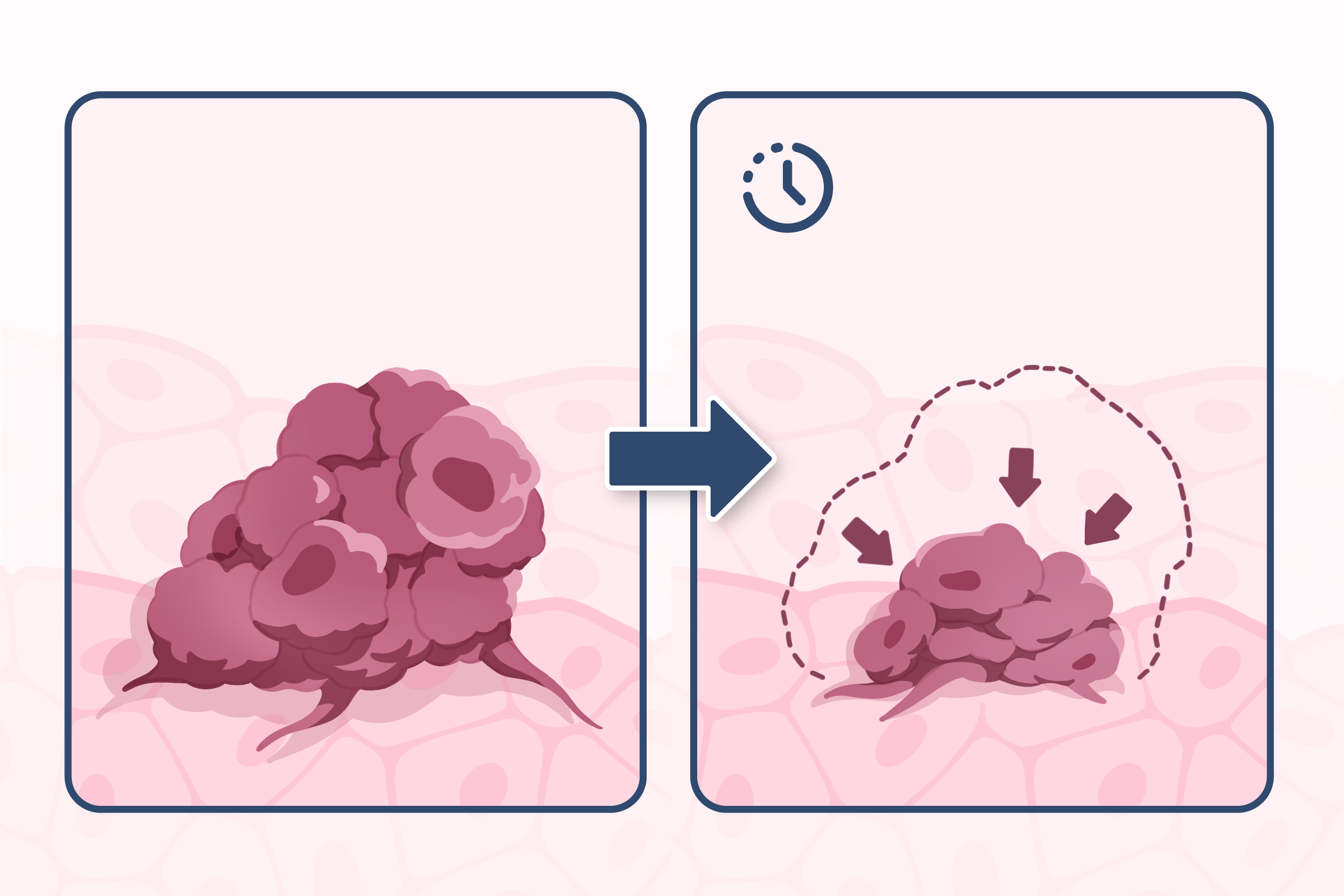
Cancer cells that are damaged by radiation will stop being able to grow or divide. Eventually, the damaged cancer cells will die and the tumour will shrink over time.
Any healthy cells that are impacted by the radiation radiation are generally better at repairing damaged DNA than cancer cells.
SBRT limits the amount of radiation healthy cells are exposed to by focusing the dose as precisely as possible. This makes sure that the radiation is delivered directly to the tumour. Fewer healthy cells affected means fewer side effects and improved recovery time.
How is SBRT different from conventional radiation therapy?
SBRT combines many advanced imaging and positioning techniques that work together to find, track, and treat tumours. These methods are used to make sure that radiation is delivered with millimeter-level accuracy.
Learn About Types of SBRT Treatment Machines
SBRT Combines Advanced 3D Imaging Techniques
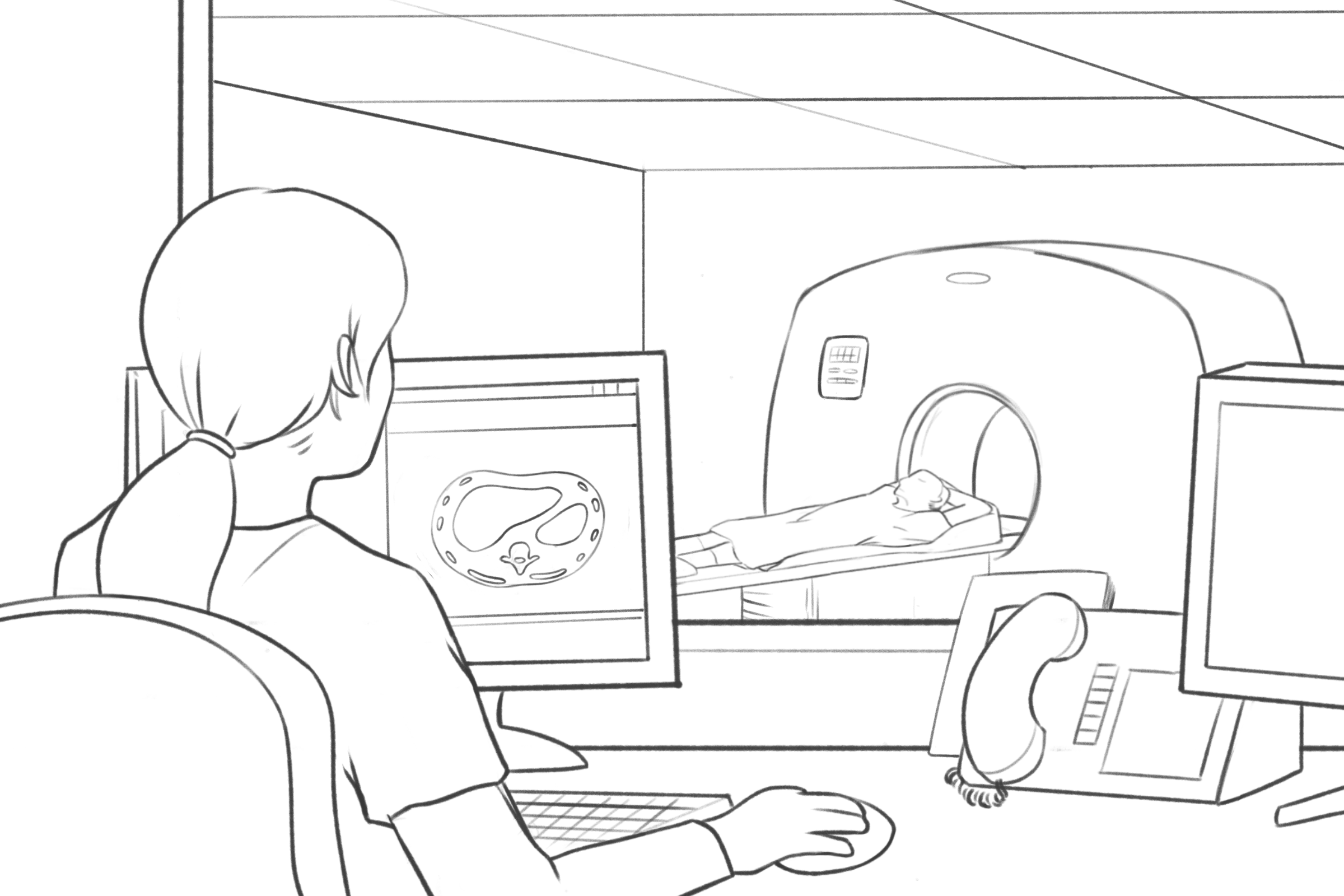
Your care team will use advanced 3D imaging methods to plan and deliver your SBRT treatment. These imaging scans allow your treatment team to see the location of your tumour and nearby organs in very high detail.
Types of imaging that may be used to identify your tumour include:
- CT scans (computed tomography)
- MRI scans (magnetic resonance imaging)
- PET scans (positron emission tomography)
Taking detailed scans is important because it allows your treatment team create the best treatment plan for your condition. It also lets them make quick treatment adjustments during your treatment session if needed.
Tracking Tumours with Advanced Positioning Methods
Natural movements like breathing or digestion can cause your tumour to slightly move, even when you're lying still. SBRT uses special positioning and motion-tracking techniques to account for this movement during your treatment. This keeps the radiation focused on the tumour without hitting healthy tissues nearby.
The type of motion control technique used will depend on the tumour's location and the type of SBRT treatment machine being used. Your treatment team will decide the best method for your specific case.
Examples of motion control techniques include:
- Breath-hold techniques: The patient is asked to hold their breath for a short period of time during treatment, which helps to keep the tumour in a fixed position.
- Respiratory gating: The radiation is delivered only during certain phases of the patient's breathing cycle, which helps to minimize tumour movement.
- Abdominal compression: A device placed on the abdomen applies a gentle downward pressure to reduce breathing motion.
- Real-time tracking: Machines like the CyberKnife or MR-Linac can use real-time imaging or sensors to monitor the tumour's position in real-time and adjust the radiation beam accordingly.
What are the advantages of SBRT?
SBRT offers many benefits over other cancer treatments such as:
- Fewer and shorter treatment sessions
- Non-invasive (no surgical incision required)
- Minimal recovery time compared to other cancer treatments
- Can treat most tumours in hard-to-reach locations
Your radiation oncologist will recommend whether SBRT is an appropriate option based factors like:
- The type of cancer you have
- The size of your tumour
- The location of your tumour
- Your overall health
Please speak with your healthcare provider if you have any questions about SBRT.
Summary
SBRT is an advanced type of radiation therapy that delivers high doses of radiation to a tumour while limiting radiation to nearby healthy tissue. It is a non-invasive cancer treatment that uses advanced imaging and positioning techniques to accurately target tumours.
Because of the higher precision and stronger dose of radiation used, SBRT can usually be completed in around 1-5 treatment sessions.

